
US Bans Foreign-Made Humanoid Robots And Connected Power Inverters
According to the agency, these devices could become targets for disruption that may affect the nation's electrical infrastructure.
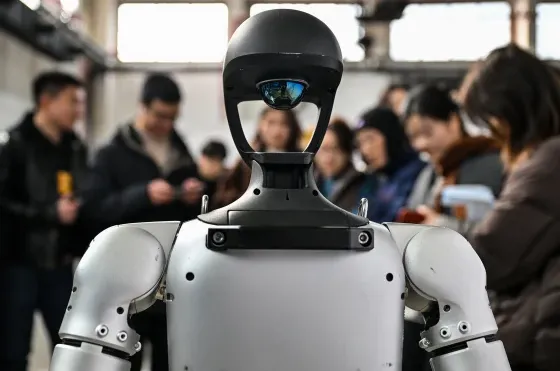
The United States is moving to restrict the sale of certain foreign-made humanoid robots, advanced robotic systems, and connected power inverters, with the Federal Communications Commission (FCC) citing national security and cybersecurity concerns.
In an announcement, the FCC said advanced robotics devices manufactured outside the United States pose potential risks to critical infrastructure, supply chains, and national security. The agency also determined that certain foreign-made power inverters with wireless connectivity present similar concerns.
According to an FCC press release, the decision follows assessments from national security agencies that identified supply chain and cybersecurity vulnerabilities associated with these products.
FCC Explains Why Advanced Robots Are Covered By The Ban
The FCC's announcement references unnamed national security agencies that evaluated the potential risks posed by advanced robotic devices.
"In their determinations, national security agencies referenced, among other things, unacceptable risks, including that these devices could create supply chain vulnerabilities that could disrupt U.S. economic and national security and could create a cybersecurity risk that threatened American critical infrastructure," the agency said.
The policy follows an earlier restriction on certain foreign-manufactured routers and aligns with the White House's 2025 national security strategy, which emphasizes reshoring production in critical and emerging technology sectors.
Unlike the earlier router restrictions, however, the new rules rely on the "Buy American" statute to determine whether a product qualifies as U.S.-made. Under that standard, some foreign-made components may still be permitted in products manufactured within the United States.
YOU MAY ALSO LIKE: OpenAI AI Agent Breach Timeline Revealed After Hugging Face Hack, Reuters Reports
The FCC said the affected category includes quadruped robots and humanoid robots, while providing exemptions for devices used by the Department of War and the Department of Homeland Security.
The agency stated:
"As our dependence grows on advanced robotic devices for critical infrastructure protection, manufacturing, and US military dominance, it is vital that we have a secure domestic supply chain and industrial base for advanced robots."
It added:
"The networked capabilities of advanced robotic systems create extensive vulnerabilities and vectors for attacks that can manipulate the data and physical operation of the advanced robotic system. Relying on foreign-produced advanced robotic devices presents unacceptable supply chain and cybersecurity vulnerabilities."
Connected Power Inverters Also Face New FCC Restrictions
The FCC also announced restrictions on foreign-made power inverters equipped with Wi-Fi, cellular, or Bluetooth connectivity.
According to the agency, these devices could become targets for disruption that may affect the nation's electrical infrastructure.
"Any unanticipated manipulation or disruption of the supply of power inverters or of the inverters themselves would likely compromise the United States' electricity supply and by extension threaten the economic prosperity and national security of the United States," the FCC said.
The agency acknowledged that implementing the restrictions could present short-term challenges because of the broad range of products that may fall under the definition of connected power inverters.
The wording could potentially include backup battery systems with AC outlets and companion apps, although those products are not specifically identified and could ultimately receive exemptions.
The FCC also referenced a Department of Energy assessment indicating that many inverter components "are almost entirely produced [outside the US]." The assessment added that shifting production of those components to the United States would be "challenging" but necessary to reduce associated security risks.
Companies affected by the new restrictions will have the opportunity to apply for conditional approval to continue selling qualifying products in the U.S.
Related Articles

Digital Wallets Like Apple Wallet And Google Wallet Can Be Safer Than Carrying Physical Cards

OpenAI Introduces GPT-6 Astra With Advanced Computer Use And Coding Capabilities

Xiaomi 18 Fold Debuts At IFA 2026 With XRing O3 Chip And Wider Design

X Moves All U.S. Creator Payouts To X Money

Meta Ray-Ban Display Smart Glasses Can Automatically Disable The Screen While Driving

Apple iPhone Duo Brings Foldable Design, 7.6-Inch Display And Apple Pencil Support
Join the Conversation
Sign in or join the community to share your opinion, engage with authors, and interact with other readers.
Checking reader session…
0 Comments
Loading comments…
Take a Break
Flex your brain with our daily mini-game